
Maintenance Free Chemical Earthing Solutions: The Future of Electrical Safety
What if your earthing system could perform reliably for decades without constant upkeep? That’s exactly what Maintenance Free Chemical Earthing Solutions offer—consistent performance, enhanced safety, and long-term savings. In an era where downtime is costly, modern earthing systems are evolving to become smarter, stronger, and virtually maintenance-free.
What is Chemical Earthing?
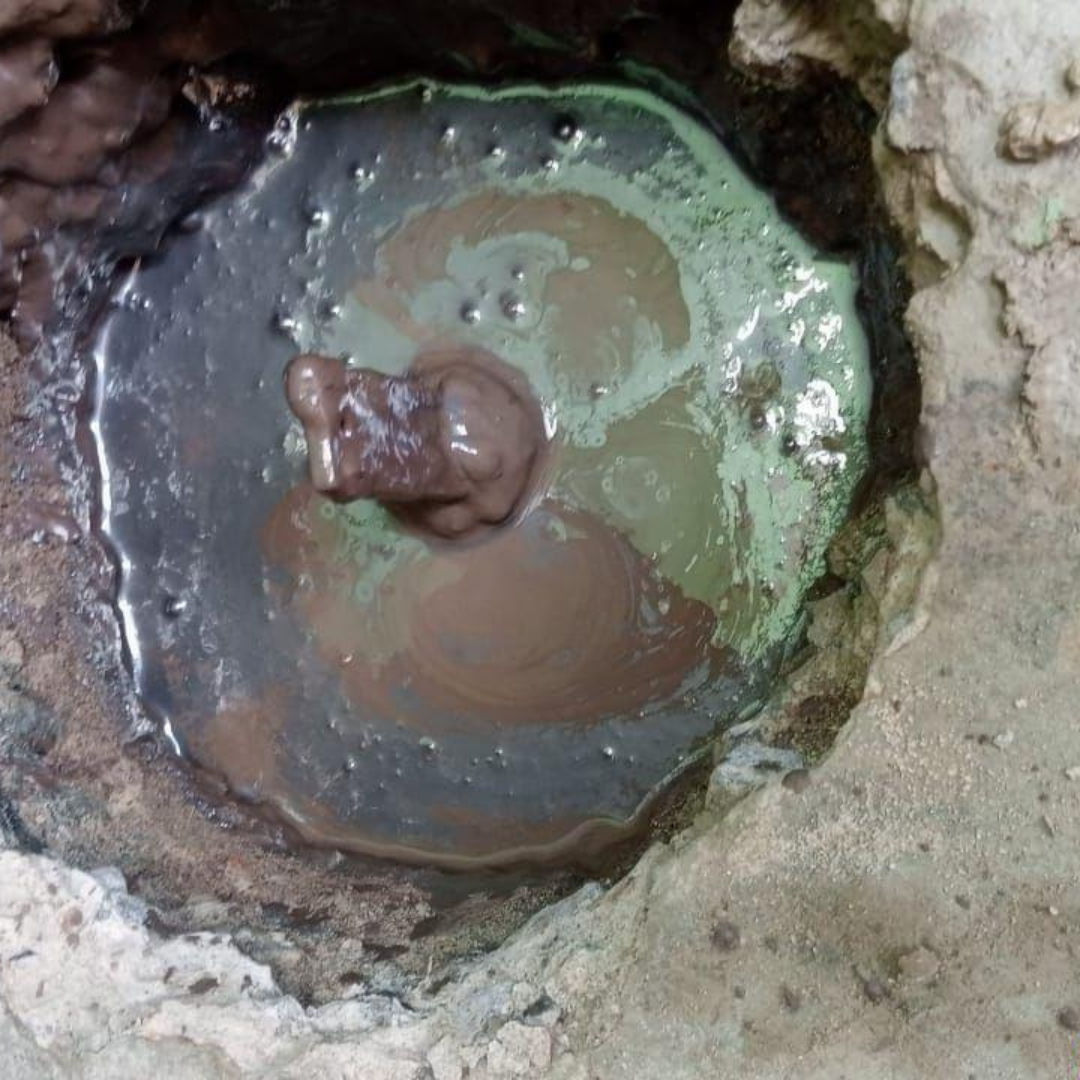
Chemical Earthing is an advanced grounding technique that uses specially formulated compounds to maintain low soil resistance around the electrode. Unlike traditional systems, a Maintenance Free Earthing System ensures stable performance regardless of seasonal changes.
It plays a crucial role in any Electrical Earthing System, especially when integrated with a Lightning Protection System with Earthing Solutions.
Why Choose Maintenance-Free Earthing?
Key Advantages
- Consistent conductivity: Works effectively even in dry or rocky soil
- Low maintenance: Eliminates the need for regular watering or inspection
- Long lifespan: Corrosion-resistant materials ensure durability
- Improved safety: Reduces the risk of electrical hazards
For industries, this means fewer disruptions and greater operational efficiency.
Core Components of Chemical Earthing Systems
Electrodes and Conductors
A reliable Industrial Earthing System includes:
- Chemical Earthing Rod & Electrode
- Copper Clad Steel Earth Electrodes
- Copper Bonded Pipes
- Chemical Earthing Electrode
These are designed for superior conductivity and corrosion resistance.
Conductive Materials
To ensure efficient grounding:
These materials connect the system and safely dissipate fault currents.
Earthing Pit Setup
The performance of the system depends on quality Earthing Pit Material, such as:
- Earthing Cement
- GI Earthing Pipe
- Specialized backfill compounds
These elements form the foundation of durable Earthing Equipment and Earthing Supplies.
The Role of Soil Testing
Before installation, Soil Resistivity Testing for Earthing System Design is essential. It helps determine:
- Soil resistance levels
- Optimal electrode placement
- Required depth and spacing
Accurate Soil Resistivity Testing ensures the system performs efficiently from day one.
Installation Process: Step-by-Step
1. Site Analysis
Experts conduct Soil Resistivity Testing to evaluate ground conditions.
2. System Design
Customized Industrial Earthing System Design and Installation plans are developed based on site requirements.
3. Electrode Installation
Following a Copper Bonded Earthing Electrodes Installation Guide, professionals handle the Installation of Copper Bonded Earthing Electrodes.
4. Chemical Backfilling
Special compounds are added to maintain low resistance and enhance conductivity.
5. Integration with Lightning Protection
The system is integrated with:
This creates a complete Lightning Protection System with Earthing Solutions.
6. Testing and Commissioning
Final Electrical Earthing Installation & Commissioning includes:
- Resistance measurement
- System validation
- Routine Earthing Test procedures
Chemical Earthing vs Conventional Systems
Conventional Lightning System
- Requires frequent maintenance
- Performance varies with soil conditions
- Higher long-term costs
Maintenance Free Chemical Earthing Solutions
- Stable performance year-round
- Minimal maintenance
- Lower lifecycle costs
This makes chemical earthing ideal for modern infrastructure and industrial applications.
Practical Example: Industrial Facility
Consider a manufacturing unit operating heavy machinery.
Without proper grounding:
- Equipment is vulnerable to voltage surges
- Frequent downtime impacts productivity
- Safety risks increase
By implementing:
- A Maintenance Free Earthing System
- High-quality Earthing Material
- Integrated Lightning Protection System with Earthing Solutions
The facility benefits from:
- Reliable operations
- Reduced maintenance costs
- Enhanced safety
This is why industries prioritize working with a Reliable Earthing Supplier for Industrial Projects.
Choosing the Right Partner
Selecting the right Earthing Solution Provider is critical for success.
What to Look For
1. Expertise and Experience
Choose a trusted Earthing Manufacturer or Earthing Supplier with proven experience in Industrial Earthing System Design and Installation.
2. Quality Materials
Ensure the use of certified Earthing Material, including:
- Copper and GI strips
- Durable electrodes
- High-grade Earthing Equipment
3. Comprehensive Services
Top providers offer:
- Complete Earthing System Installation Services
- Testing and commissioning
- Maintenance support
4. Advanced Technology
Look for companies specializing in:
- Advanced Lightning Arrester Design and Commissioning
- Expertise as a Best ESE Lightning Arrestor Manufacturer in India
- Integration of Conventional Lightning System and ESE solutions
Organizations like Arete Powertech – trends industrial automation are known for delivering innovative and reliable earthing solutions.
The Bigger Picture: Integrated Protection
A modern system doesn’t stop at grounding. It combines:
- ESE Lightning Arrester Manufacturer expertise
- Smart monitoring with Lightning Strike Counters
- Robust Electrical Earthing System design
This holistic approach ensures maximum protection against electrical faults and lightning strikes.
Enquiry Form
Conclusion: A Smart Investment for Long-Term Safety
In today’s demanding industrial environment, reliability is non-negotiable. Maintenance Free Chemical Earthing Solutions provide a dependable, cost-effective, and long-lasting answer to grounding challenges.
Key takeaway: Investing in a high-quality, maintenance-free earthing system—installed by an experienced Earthing Solution Provider—ensures safety, efficiency, and peace of mind for years to come.