

Table of Contents
ToggleCopper Bonded Earthing Electrodes Installation Guide
In today’s fast-evolving industrial and commercial infrastructure landscape, a reliable grounding system is no longer optional—it’s essential. From protecting expensive electrical equipment to ensuring human safety during lightning strikes and fault currents, proper earthing plays a critical role in every electrical setup.
This Copper Bonded Earthing Electrodes Installation Guide explores the complete process of designing and installing an efficient earthing system while highlighting the importance of quality materials, testing procedures, and modern lightning protection practices.
Understanding Copper Bonded Earthing Electrodes
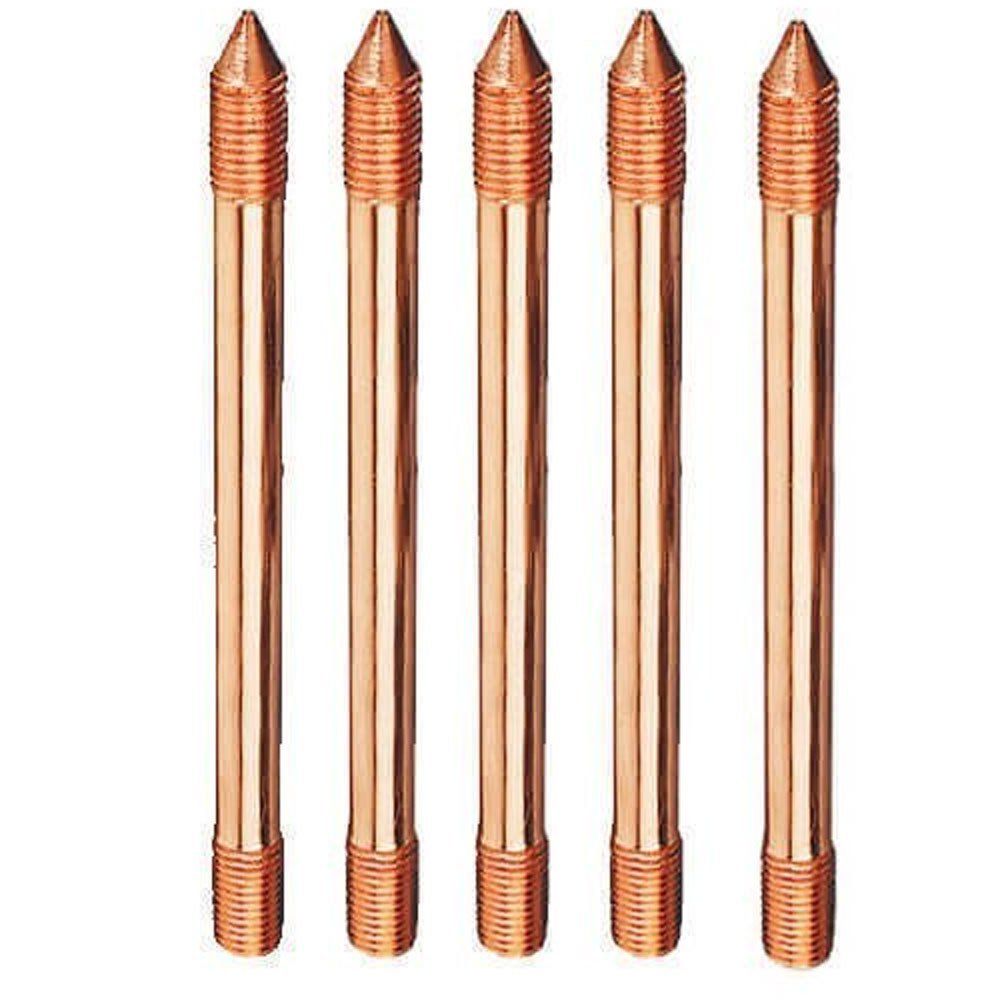
Copper bonded earthing electrodes are among the most preferred grounding solutions for industrial and commercial projects. These electrodes are manufactured by molecularly bonding pure copper onto a steel core, creating highly durable and corrosion-resistant Copper Clad Steel Earth Electrodes.
Compared to conventional systems, Chemical Earthing Electrode solutions provide superior conductivity, longer service life, and better performance in varying soil conditions.
Why Copper Bonded Electrodes Are Popular
- Excellent corrosion resistance
- High tensile strength
- Low maintenance requirements
- Suitable for Maintenance Free Earthing System applications
- Ideal for heavy-duty Industrial Earthing System installations
The Installation of Copper Bonded Earthing Electrodes ensures consistent fault current dissipation and improved protection against electrical hazards.
Importance of Soil Resistivity Testing
Before installing any Electrical Earthing System, conducting Soil Resistivity Testing for Earthing System Design is essential. Soil conditions directly impact the effectiveness of grounding systems.
What Is Soil Resistivity Testing?
Soil Resistivity Testing measures the electrical resistance of soil to determine the best grounding method and electrode depth. Areas with high soil resistance may require additional Earthing Cement, moisture retention compounds, or multiple electrodes.
Practical Insight
For example, in dry industrial regions, engineers often use Chemical Earthing techniques combined with Earthing Pit Material to maintain low resistance values throughout the year.
Proper testing helps engineers:
- Select suitable Copper Bonded Pipes
- Determine the number of electrodes required
- Design efficient Lightning Protection System with Earthing Solutions
- Improve long-term system reliability
Step-by-Step Installation Process
1. Site Preparation
The first step in Electrical Earthing Installation & Commissioning is identifying the installation location based on soil testing reports. The site should be free from underground utilities and water pipelines.
2. Digging the Earthing Pit
An earthing pit is excavated according to project specifications. High-quality Earthing Pit Material such as bentonite, conductive compounds, and Earthing Cement is added to reduce soil resistance.
3. Electrode Installation
The Chemical Earthing Rod & Electrode or copper bonded electrode is vertically driven into the ground using hydraulic or mechanical tools.
Modern Earthing Equipment ensures precise installation without damaging the electrode coating.
4. Connecting Earthing Conductors
Proper conductors such as:
are connected securely to the electrode.
In industrial environments, GI Earthing Pipe arrangements are also commonly integrated into the grounding network for additional protection.
5. Backfilling and Moisture Enhancement
The pit is filled using conductive compounds and moisture-retaining materials to stabilize resistance values over time.
6. Earthing Test
After installation, an Earthing Test is performed using earth resistance testers to verify system performance and compliance with safety standards.
Integrating Lightning Protection Systems
An effective Lightning Protection System with Earthing Solutions is crucial for factories, data centers, telecom towers, and commercial buildings.
Conventional and Modern Lightning Protection
Industries today use both:
- Conventional Lightning System
- ESE Lightning Arrester installation
depending on the level of protection required.
An advanced setup may include:
- Air terminals
- Down conductors
- Lightning Strike Counters
- Grounding electrodes
- Surge protection devices
Advanced Lightning Protection Technologies
Modern infrastructure increasingly depends on:
- Advanced Lightning Arrester Design and Commissioning
- Smart monitoring systems
- High-efficiency grounding networks
A reputed ESE Lightning Arrestor Manufacturer can provide customized solutions for high-risk industrial environments.
Choosing the Right Earthing Materials
The success of an earthing system depends heavily on material quality.
Essential Earthing Supplies
Reliable installations require premium:
- Earthing Material
- Earthing Supplies
- Conductive compounds
- Copper and GI strips
- Clamps and connectors
Using low-quality products may lead to corrosion, higher resistance, and frequent maintenance.
Example from Industrial Projects
In manufacturing plants with sensitive automation systems, engineers often prefer Copper Earthing Strips over conventional GI conductors due to their superior conductivity and long operational life.
Similarly, large-scale substations rely on robust Chemical Earthing Electrode systems to maintain stable grounding performance under heavy electrical loads.
Why Partner with a Reliable Earthing Supplier
Selecting a Reliable Earthing Supplier for Industrial Projects is critical for ensuring compliance, safety, and durability.
An experienced Earthing Solution Provider offers:
- Customized system design
- Material selection support
- Site surveys
- Testing and commissioning
- After-sales maintenance
A professional Earthing Manufacturer and Earthing Supplier also ensures that all components comply with national and international safety standards.
Companies like Arete Powertech – trends industrial automation are contributing to the advancement of modern grounding and lightning protection technologies by delivering innovative and reliable solutions for industrial applications.
Maintenance and Long-Term Performance
Even the best Maintenance Free Earthing System should undergo periodic inspections.
Recommended Maintenance Practices
- Annual Earthing Test
- Inspection of conductor joints
- Monitoring moisture levels
- Checking corrosion on exposed components
- Testing lightning protection continuity
Routine maintenance significantly improves system lifespan and operational safety.
Conclusion
A well-designed grounding system is the backbone of electrical safety. Proper Installation of Copper Bonded Earthing Electrodes, combined with accurate Soil Resistivity Testing, quality Earthing Material, and advanced lightning protection measures, ensures long-term protection for both people and equipment.
Whether it’s a commercial building, industrial plant, or infrastructure project, partnering with a trusted Earthing Solution Provider and using high-quality Earthing Equipment can make all the difference in achieving a safe, efficient, and maintenance-friendly electrical environment.