

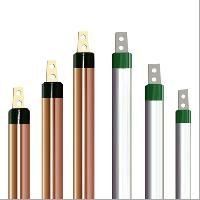
Industrial Earthing System: Powering Safety and Performance
In the world of modern industry, uninterrupted operations and safety go hand in hand. Behind every reliable electrical setup lies a strong foundation—an efficient Industrial Earthing System. It may not be visible, but it plays a critical role in protecting equipment, infrastructure, and human lives.
What is an Industrial Earthing System?
An Industrial Earthing System is a structured arrangement designed to safely dissipate electrical faults, leakage currents, and lightning surges into the ground. It ensures that electrical installations operate safely while minimizing the risk of damage or hazards.
Unlike basic systems, industrial setups require robust solutions using high-quality earthing material, advanced earthing equipment, and properly engineered designs to handle heavy electrical loads.
Importance of Earthing in Industrial Applications
The significance of a well-designed electrical earthing system cannot be overstated. Its primary benefits include:
- Protection against electric shocks
- Prevention of equipment damage due to voltage spikes
- Improved system stability
- Safe discharge of lightning and fault currents
In industries with heavy machinery, even a minor fault can lead to massive downtime. That’s why proper earthing use is essential for operational continuity.
Key Components of an Industrial Earthing System
1. Chemical Earthing Electrode
The Chemical Earthing Electrode is the backbone of modern systems. It provides consistent grounding performance by maintaining low soil resistance using conductive compounds.
This component is especially useful in dry or rocky soil conditions where traditional systems may fail.
2. Earthing Pit and Materials
A well-constructed earthing pit uses high-quality earthing pit material, including earthing cement and earth pit concrete, to enhance conductivity and durability.
The earthing well is carefully designed to ensure long-term effectiveness without frequent maintenance.
3. Earthing Conductors
Conductors form the connection between electrical systems and the earth:
These elements must be corrosion-resistant and capable of handling high fault currents efficiently.
4. Earthing Chamber and Covers
The earthing chamber size is crucial for accessibility and protection. Common configurations include 24 x 24 and 24 x 24 x 24, depending on project requirements.
To safeguard the system, durable earth pit chamber cover or pole cover options are used. Reliable chamber manufacturers provide various chamber cover sizes suited for industrial environments.
Role of Maintenance Free Systems
Modern industries prefer a Maintenance Free Earthing System due to its long-lasting performance and minimal upkeep. By using advanced earthing cement and chemical compounds, these systems eliminate the need for regular watering and maintenance.
This not only reduces operational costs but also ensures consistent safety standards.
Integration with Lightning Protection
An industrial setup is incomplete without proper lightning protection. Collaborating with a Lightning Arrestor Supplier or an ESE Lightning Arrestor Manufacturer ensures that high-voltage surges are safely directed into the ground.
When integrated with an efficient earthing system, lightning arrestors significantly reduce the risk of catastrophic failures.
Choosing the Right Earthing Solution Provider
Selecting the right Earthing Solution Provider is critical for system performance. Consider the following factors:
- Quality of earthing supplies and components
- Expertise in industrial installations
- Availability of customized solutions
- Compliance with safety standards
A trusted Earthing Electrode Supplier in India or experienced earthing manufacturer can provide end-to-end support, from design to installation.
Practical Insights from Industrial Applications
Manufacturing Units
In factories with heavy machinery, a strong industrial earthing system prevents equipment damage during power surges. For instance, CNC machines and automated production lines rely on stable grounding for precise operations.
Data Centers
Data centers require uninterrupted power and protection from electrical noise. Proper installation of earthing cable, earthing strip, and high-quality earthing material ensures system reliability.
Renewable Energy Plants
Solar and wind power installations depend on efficient grounding systems to handle fluctuating loads and environmental conditions.
Design Considerations for Effective Earthing
Soil Resistivity
Understanding soil conditions helps in selecting the right earthing pit material and electrode type.
Proper Installation
- Ensure correct depth for the earthing well
- Use durable earthing wire and earthing strip
- Protect pits with robust earth pit chamber cover
Material Quality
Using premium earthing supplies, including earthing cement and earth pit concrete, ensures long-term efficiency.
Emerging Trends in Industrial Earthing
With advancements in automation and smart infrastructure, companies like Arete Powertech – trends industrial automation are leading innovation in grounding solutions.
Modern systems now include monitoring technologies that track resistance levels in real time, helping industries take proactive measures before failures occur.
Enquiry Form
Conclusion: Building a Safer Industrial Future
An efficient Industrial Earthing System is not just a regulatory requirement—it is a critical safety investment. From high-quality earthing equipment to expert installation by a trusted earthing supplier, every component plays a vital role.
Key takeaway: A well-designed industrial earthing system ensures safety, minimizes downtime, and protects valuable assets—making it indispensable for any modern industrial operation.