
Copper Bonded Earthing vs GI Earthing: Which One is Better for Your Electrical Safety?
When it comes to protecting electrical systems, the foundation of safety lies underground—literally. Choosing the right earthing solution can make the difference between reliable performance and costly failures. In this blog, we break down Copper Bonded Earthing vs GI Earthing to help you make an informed decision for your project.
Understanding the Basics of Earthing
An Electrical Grounding System ensures that excess electrical current safely dissipates into the earth. Whether it’s for residential, commercial, or industrial setups, a robust Grounding Electrode System is essential for preventing shocks, equipment damage, and fire hazards.
Today, industries rely on advanced solutions from a Best Earthing Electrode Manufacturer in India or a trusted Industrial Earthing System Manufacturer to ensure long-term safety and compliance.
What is Copper Bonded Earthing?
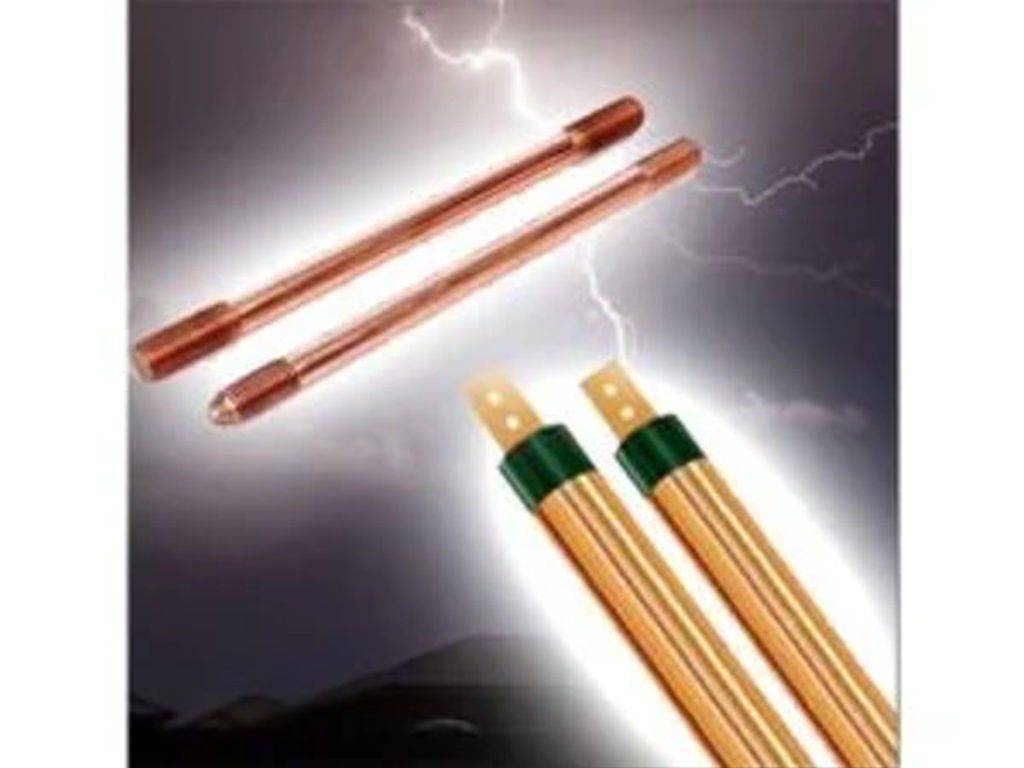
Copper bonded earthing rods are made by bonding a layer of copper onto a steel core. A Copper Bonded Earthing Rod Manufacturer in India produces these rods using advanced electroplating techniques to ensure durability.
Key Features:
- High conductivity due to copper surface
- Excellent corrosion resistance
- Long lifespan (often 20–30 years)
- Ideal for harsh soil conditions
A Maintenance Free Earthing Electrode Manufacturer often recommends copper bonded solutions for critical installations like data centers and hospitals.
Practical Insight:
If you’re installing a Lightning Protection System for Buildings, copper bonded rods are often preferred because they handle high fault currents effectively.
Enquiry Form
What is GI Earthing?
GI (Galvanized Iron) earthing electrodes are made from iron coated with zinc. A reliable GI Earthing Manufacturer in India supplies these for cost-effective grounding solutions.
Key Features:
- Lower initial cost
- Moderate conductivity
- Suitable for less corrosive soil
- Easier availability from any Earthing Electrode Supplier in India
Practical Insight:
GI earthing is commonly used in residential buildings or temporary setups where budget constraints are a priority.
Copper Bonded Earthing vs GI Earthing
Let’s compare the two based on critical factors:
1. Conductivity
Copper bonded rods provide superior conductivity compared to GI rods, making them ideal for sensitive equipment and Surge Protection System setups.
2. Corrosion Resistance
Copper bonded electrodes outperform GI in corrosive environments. GI rods may degrade faster, especially in moist or acidic soil.
3. Lifespan
- Copper Bonded: 20–30 years
- GI Earthing: 5–10 years
This is why a Maintenance Free Earthing System typically uses copper bonded electrodes.
4. Cost
GI earthing is cheaper initially, but copper bonded solutions offer better long-term value due to lower maintenance.
5. Application Suitability
- Copper Bonded: Industrial plants, telecom towers, Lightning Protection Equipment
- GI Earthing: Residential and small commercial setups
Role of Earthing in Lightning Protection
Earthing is a crucial part of any Lightning Protection System for Buildings. Without proper grounding, even the best lightning arrestor cannot function effectively.
A trusted Lightning Arrestor Manufacturer in India or ESE Lightning Arrestor Manufacturer often recommends integrating earthing with:
- Down conductors
- Air terminals
- Chemical Earthing Electrode systems
For advanced protection, an ESE Lightning Protection System Supplier provides complete solutions combining earthing and arrestors.
How to Choose the Best Earthing Electrode
Selecting the right electrode depends on several factors:
Soil Condition
Highly corrosive soil requires copper bonded or Chemical Earthing Electrode solutions.
Application Type
Industrial setups need robust systems from an Industrial Earthing System Manufacturer, while homes may use GI rods.
Maintenance Needs
If you want a long-term solution, choose a Maintenance Free Earthing System.
Budget vs Performance
While GI is budget-friendly, copper bonded offers better ROI.
Supplier Reliability
Always source from a trusted Earthing Electrode Manufacturer in Delhi or a reputed Copper Bonded Earthing Supplier in Delhi.
Components of a Complete Earthing System
A proper Electrical Earthing System includes more than just electrodes. It involves:
- Earthing cable and earthing wire
- Earthing strip for conductivity
- Earthing cement and earthing pit material
- Proper earthing chamber size (commonly 24 x 24 or 24 x 24 x 24)
- Durable earth pit chamber cover and pole cover
- Quality earthing equipment and earthing supplies
Reliable chamber manufacturers ensure strong earth pit concrete structures for long-term stability.
Installation and Best Practices
Following a proper Lightning Arrestor Installation Guide is essential for safety:
- Choose the correct Grounding Rod Manufacturer
- Ensure proper depth of the earthing well
- Use high-quality earthing material
- Maintain correct spacing between electrodes
- Integrate with a Surge Protection System
A professional Earthing Solution Provider can help design and install a compliant system.
Industry Trends and Innovations
Modern earthing solutions are evolving with smarter materials and automation. Companies like Arete Powertech – trends industrial automation are driving innovations in:
- Maintenance-free systems
- Advanced corrosion-resistant materials
- Integrated lightning and grounding solutions
This shift is making Electrical Safety Earthing more efficient and reliable than ever before.
Conclusion: Which One Should You Choose?
Both copper bonded and GI earthing have their place, but the choice depends on your needs. If you’re looking for durability, performance, and minimal maintenance, copper bonded earthing is the clear winner. However, for budget-friendly and short-term applications, GI earthing remains a practical option.
Key Takeaway:
Invest in the right earthing system today to ensure long-term safety, performance, and peace of mind. When in doubt, consult a trusted Earthing Solution Provider to design a system tailored to your requirements.