

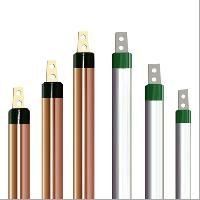
Advanced Earthing Technologies for Industrial Automation: Powering the Future of Smart Manufacturing
As industries embrace automation, robotics, IoT-enabled devices, and intelligent control systems, electrical reliability has become more critical than ever. Behind every efficient automated facility lies a robust grounding infrastructure that protects equipment, personnel, and operations. This is where Advanced Earthing Technologies for Industrial Automation play a vital role.
From smart factories and process plants to logistics hubs and data centers, modern industries require advanced grounding systems capable of supporting high-performance electrical networks while ensuring safety and operational continuity.
Why Earthing Matters in Industrial Automation
Industrial automation relies heavily on sensitive electronic systems such as PLCs, sensors, control panels, communication networks, and industrial computers. Even minor electrical disturbances can lead to production downtime, data loss, or equipment damage.
An effective Industrial Earthing System provides a low-resistance path for fault currents and helps stabilize voltage levels throughout the facility. Modern industries are increasingly adopting Advanced Earthing Material for High-Performance Grounding to ensure long-term reliability and enhanced electrical safety.
As automation systems become more sophisticated, organizations are investing in Advanced Electrical Protection Systems for Industrial Automation that integrate grounding, surge protection, and lightning protection into a unified safety strategy.
Key Components of Advanced Earthing Systems
High-Performance Earthing Materials
Modern grounding systems utilize specialized Earthing Material designed to withstand harsh industrial environments. Common components include:
- Copper Bonded Pipes
- Copper Clad Steel Earth Electrodes
- Chemical Earthing Rod & Electrode
- GI Earthing Pipe
- Earthing Wire
- Earthing Strip
These materials are selected based on site conditions, electrical load requirements, and environmental factors.
Earthing Cement and Conductive Backfills
Understanding The Role of Earthing Cement in Chemical Earthing Systems is crucial for achieving low and stable earth resistance. High-quality Earthing Cement improves conductivity, retains moisture, and enhances electrode performance.
Combined with suitable Earthing Pit Material, earthing cement creates Effective Earthing Pit Material for Long-Lasting Grounding Systems, especially in areas with poor soil conductivity.
Designing Earthing Systems for Automated Facilities
Soil Resistivity Assessment
Every successful project begins with Soil Resistivity Testing. This process helps engineers determine the most effective grounding strategy.
Understanding How Soil Resistivity Affects Earthing System Performance is particularly important in industrial environments where electrical loads are high and operational continuity is critical.
Industrial Earthing Design Using Copper Earthing Strips
For facilities with sensitive automation equipment, Industrial Earthing Design Using Copper Earthing Strips is often preferred. Copper Earthing Strips offer excellent conductivity and corrosion resistance, making them ideal for control rooms, substations, and manufacturing plants.
Industrial Earthing System Design Using GI Earthing Strip
In large-scale industrial installations, Industrial Earthing System Design Using GI Earthing Strip provides a durable and cost-effective solution. A GI (Galvanised Iron) Earthing Strip offers mechanical strength and dependable grounding performance for extensive earthing networks.
The Importance of Proper Earthing Wire Selection in Industries
The Importance of Proper Earthing Wire Selection in Industries cannot be overstated. Proper conductor sizing and material selection ensure fault currents are safely dissipated without overheating or compromising system integrity.
Chemical Earthing: A Preferred Solution for Automation Facilities
Modern automated plants increasingly rely on Chemical Earthing systems due to their reliability and low maintenance requirements.
Chemical Earthing Rod & Electrode Installation Guide
A professional Chemical Earthing Rod & Electrode Installation Guide typically includes:
- Site evaluation and soil analysis
- Electrode placement planning
- Installation of a Chemical Earthing Electrode
- Application of conductive Earthing Cement
- Connection through appropriate Earthing Wire
- Final Earthing Test
Installation of Copper Bonded Earthing Electrodes
The Installation of Copper Bonded Earthing Electrodes is widely adopted because these electrodes offer excellent conductivity and long-term corrosion resistance.
When combined with conductive compounds and proper installation practices, they form a highly effective Maintenance Free Earthing System.
Safe and Efficient Electrical Earthing Installation Techniques
Implementing Safe and Efficient Electrical Earthing Installation Techniques is essential for maximizing system performance. Proper bonding, conductor routing, and earth pit construction are all critical components of successful Electrical Earthing Installation & Commissioning.
Lightning Protection for Industrial Automation
Grounding alone is not sufficient for complete protection. Automated facilities must also address lightning-related risks.
Reliable Lightning Protection Solutions for Manufacturing Plants
Manufacturing facilities depend on uninterrupted operations. Reliable Lightning Protection Solutions for Manufacturing Plants help protect machinery, automation systems, and personnel from electrical surges caused by lightning activity.
ESE Lightning Arresters and Their Industrial Applications
One of the most effective solutions available today is the use of ESE Lightning Arresters and Their Industrial Applications. Compared to a Conventional Lightning System, an ESE Lightning Arrester installation often provides wider coverage and improved protection efficiency.
Working with an experienced ESE Lightning Arrestor Manufacturer ensures optimal system design and compliance with applicable standards.
Lightning Arrester Design and Commissioning
A complete lightning protection strategy includes:
- Professional Lightning Arrester Design
- Grounding system integration
- Installation of Lightning Strike Counters
- Periodic inspections
- Lightning Arrester Commissioning for Modern Industrial Facilities
These measures ensure the entire protection system operates effectively during lightning events.
Lessons from Commercial and Data Center Applications
Many grounding innovations developed for industrial automation are now being applied in commercial and IT environments.
Electrical Earthing System Design for Commercial Buildings
Modern commercial facilities increasingly adopt industrial-grade grounding principles to support smart building technologies and mission-critical electrical systems.
Advanced Lightning Protection for Data Centers and Warehouses
The need for Advanced Lightning Protection for Data Centers and Warehouses continues to grow as businesses depend on uninterrupted digital operations. Grounding systems designed for automation environments often provide an excellent foundation for these applications.
Lightning Protection System Design for Commercial Infrastructure
Comprehensive Lightning Protection System Design for Commercial Infrastructure combines advanced grounding networks, surge protection devices, and lightning protection systems to minimize operational risks.
Why Maintenance-Free Earthing Is the Future
One of the biggest developments in modern electrical safety is the shift toward maintenance-free systems.
Why Maintenance-Free Earthing Is the Future of Electrical Safety
Traditional earthing methods often require periodic maintenance and replacement. In contrast, a Maintenance Free Earthing System uses advanced electrodes, conductive compounds, and corrosion-resistant materials to deliver reliable performance with minimal intervention.
This approach aligns closely with current Lightning Protection and Earthing Trends in Industrial Automation, where efficiency, reliability, and reduced maintenance are top priorities.
Choosing the Right Earthing Partner
Organizations looking to upgrade their grounding infrastructure should work with an experienced Earthing Manufacturer and Earthing Supplier.
A comprehensive Earthing Supplier Guide for Industrial Electrical Projects should include support for design, material selection, testing, installation, and commissioning. Leading Earthing Manufacturer Solutions for Industrial Safety Needs now offer integrated safety systems that combine grounding and lightning protection technologies.
Complete Earthing and Lightning Protection Solutions by Arete Powertech
Arete Powertech: Advanced Lightning Arrester and Earthing Solutions provides a complete portfolio of Earthing Equipment, Earthing Supplies, grounding materials, lightning protection systems, and engineering services.
Through Complete Earthing and Lightning Protection Solutions by Arete Powertech, industries can implement reliable protection strategies that support modern automation requirements. These innovations reflect Arete Powertech – trends industrial automation, where advanced safety systems are becoming a core part of industrial infrastructure.
The Future of Lightning Protection and Earthing Technologies
As Industry 4.0 continues to evolve, the demand for intelligent and resilient grounding systems will continue to rise. Innovations in conductive materials, smart monitoring technologies, and corrosion-resistant electrodes are shaping The Future of Lightning Protection and Earthing Technologies.
Organizations that invest in Advanced Earthing Solutions for High-Risk Electrical Environments today will be better prepared for the challenges of tomorrow’s connected industrial ecosystem.
Enquiry Form
Conclusion
Industrial automation depends on reliable electrical infrastructure, and effective grounding remains its foundation. By leveraging Advanced Earthing Technologies for Industrial Automation, industries can improve safety, protect sensitive equipment, minimize downtime, and ensure long-term operational reliability. The key takeaway is clear: investing in advanced earthing and lightning protection systems is no longer optional—it is essential for the success of modern automated facilities.